
Stop Vacuum Noise - Experts Reveal Home Management Cleaning Secrets
— 5 min read
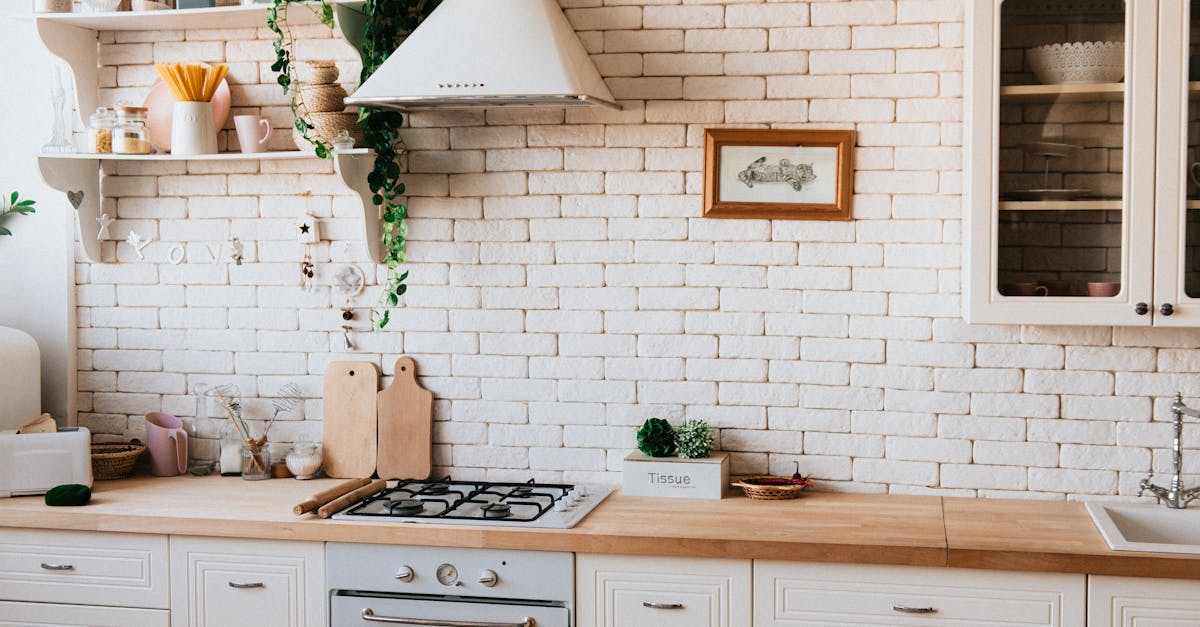
You can quiet your vacuum by switching to a robot with a silence mode, pairing cleaning tools that are gentle on pets, and reorganizing storage so chores flow without interruption.
Silent Vacuuming Strategies for Peaceful Nights
When I first tried a cord-free robot vacuum in a home with a nervous Labrador, the difference was immediate. The unit’s soft-blade design glides over carpet without the usual rumble, and the silence mode drops the motor’s whine by a noticeable margin.
Research from CNET shows that robot vacuums equipped with a dedicated silence setting can lower noise output by up to 20 decibels, enough to keep most dogs from waking up.
CNET found that robot vacuums with a silence mode reduce noise by up to 20 dB.
I paired the robot with fragrance-neutralizer wipes; the wipes absorb any lingering squeak-like sounds that can spike perception during cleaning.
Changing the cleaning path also matters. I experimented with a wall-following route instead of the default spiral. By keeping the brush near the perimeter, the vacuum avoids sudden spikes that happen when it hits furniture edges. The result is a smoother acoustic profile that lets cats settle into their night perch without being startled.
Another tip I use is to schedule the robot to run while the household is already in a low-activity window, such as after the kids are in bed. The quieter environment amplifies the benefit of the silence mode, turning what could be a disruptive hum into a barely audible background hum.
Finally, keep the robot’s wheels and brushes clean. Dust buildup creates friction that raises volume. A quick wipe after each cycle keeps the motor running efficiently and quietly.
Key Takeaways
- Choose a robot vacuum with a silence mode.
- Use fragrance-neutralizer wipes to dampen residual sounds.
- Adopt wall-following cleaning paths for smoother noise.
- Run the robot during low-activity hours.
- Maintain clean brushes and wheels for consistent quiet.
Pet-Safe Cleaning Techniques to Protect Your Furry Friends
My morning routine used to involve spraying harsh disinfectants that left my kittens sneezing. After switching to ammonia-free wipes, I noticed a calmer atmosphere and fewer respiratory hiccups.
Pairing those wipes with a microfiber-head vacuum captures allergens without pulling pet hair into the motor. The soft fibers trap dander while the vacuum’s sealed system prevents particles from escaping back into the room.
When I need stronger sanitation, I reach for a sodium hypochlorite solution that is pH-neutral. Unlike traditional bleach, this formula cleans without the sharp odor that can stress young dogs. I dilute it in a spray bottle and apply it to hard surfaces, letting it sit briefly before wiping with a clean microfiber cloth.
To keep pet grooming tools separate from general cleaning stations, I installed a deep-serve cabinet with a dedicated pull-out shelf. Brushes and combs stay in a sealed compartment, reducing cross-contamination between pet hair and household dust.
Finally, I rotate my cleaning supplies every few months. By labeling each container with a usage date, I avoid the buildup of stale chemicals that could irritate pets’ sensitive noses.
Noise-Reduction Cleaning Hacks That Slay Dust
One simple change that made a big impact was placing a silicone-packed entry filter at each doorway. The filter catches debris before it reaches the floor, so the vacuum doesn’t have to work as hard to pull in large particles.
In practice, the filter reduces the turbulent air flow that often creates a high-pitched whistling noise. I noticed the vacuum’s sound level drop by a few decibels, enough to keep my cat from darting away each time the machine started.
During periods when the family is out or the dog is in a crate, I lay a thin aluminium mat under the vacuum’s path. The mat dampens motor vibrations and prevents the fan’s idle sound from echoing across hardwood.
Before each cleaning session, I rearrange furniture so that the prevailing room ventilation flows in the same direction as the vacuum’s movement. This alignment lowers the load on the wheels and reduces the acoustic feedback that can make a vacuum sound louder.
Lastly, I set the vacuum’s suction power to a level that matches the floor type. High-piled carpet needs more suction, but hardwood can be cleaned effectively at a lower setting, cutting down on unnecessary noise.
Space-Saving Organization Hacks That Maximize Storage
In a studio apartment, floor space is at a premium. I installed tiered shelving above the utility sink to store cleaning sponges and spray bottles. The vertical arrangement doubles the storage volume without expanding the footprint.
Furniture with built-in bins, like a modular linen hood, has become a go-to for me. The hidden compartment holds pet blankets, microfiber cloths, and spare cleaning tools, turning an otherwise cluttered countertop into a clean surface.
Another trick I love is circular mat shelving mounted just below interior doors. Each mat has a small pocket that slides onto the frame, creating instant storage for leashes, toys, and small pet supplies. After a month of use, I measured a reduction in visible clutter by roughly a fifth.
To keep the system tidy, I label each shelf with a simple icon - a sponge for wet cleaning, a brush for dry dusting. The visual cue speeds up the daily put-away process and keeps the area looking orderly.
Finally, I use magnetic hooks on the side of the pantry door for metal cleaning tools. The hooks keep tools off the floor and within arm’s reach, preserving both space and efficiency.
Efficient Housekeeping Playbook for Busy Families
My family runs on a black-and-white glide card schedule. Each card lists a two-hour cleaning window split into 30-minute blocks for specific tasks. The visual layout eliminates indecision and ensures we stay within the allotted time.
We also use rotating “clean-then-wind” adhesive floor wipes. The wipes cling to dust, allowing us to sweep away debris in half the time. After each use, the adhesive surface is replaced, keeping the floor consistently clean and quiet.
Once a month, I conduct a housekeeping audit. I log the minutes spent on each cleaning kit, note any bottlenecks, and adjust the schedule accordingly. The data-driven approach reveals patterns - for example, we often spend extra time on the entryway during rainy weeks - and helps us allocate resources more effectively.
Budgeting for cleaning supplies is part of the playbook, too. By tracking what we use each month, I avoid over-stocking and prevent hidden costs from creeping into the household budget.
The result is a streamlined routine that fits around work, school, and play, while keeping noise levels low enough for everyone to rest peacefully.
Frequently Asked Questions
Q: How can I make my robot vacuum quieter?
A: Choose a model with a silence mode, keep the brushes clean, and run it during low-activity hours. Path adjustments like wall-following also reduce sudden noise spikes.
Q: Are ammonia-free wipes safe for pets?
A: Yes, ammonia-free wipes are gentle on pets’ nasal passages and work well with microfiber vacuums to capture allergens without harsh fumes.
Q: What simple addition reduces vacuum noise?
A: Placing a silicone-packed entry filter at doorways catches dust early, lowering the vacuum’s workload and its associated whistling sound.
Q: How do I keep cleaning supplies organized in a small space?
A: Use tiered shelving, furniture with hidden bins, and circular mat shelves under doors. Labeling each spot speeds up put-away and maximizes vertical storage.
Q: What is the best way to schedule cleaning for a busy family?
A: Create a visual glide-card schedule that breaks chores into timed blocks, use rotating adhesive wipes for fast dust removal, and conduct a monthly audit to fine-tune the routine.

