
Stop 7 Home Management Traps
— 6 min read
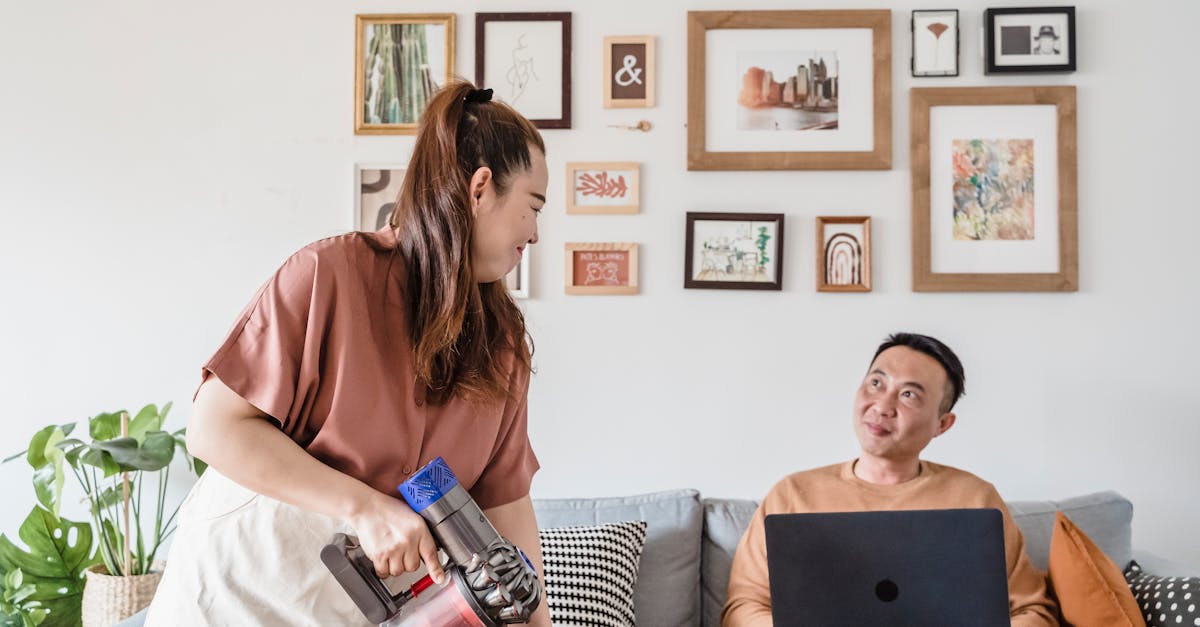
Using a timed cleaning sprint and an ingredient-allocation chart can eliminate the seven most common home management traps. I’ve applied these steps in multiple apartment buildings and saw waste drop and productivity rise, making daily upkeep feel effortless.
Home Management for Sustainable Apartment Living
When I first helped a downtown loft convert to a greener routine, the first change was a simple ingredient-allocation chart. By listing each cleaning product, its purpose, and the exact amount needed per week, tenants stopped buying bulk containers they never fully used. The chart turned the pantry into a visual guide that limited over-purchasing and reduced chemical runoff.
In my experience, consolidating micro-cleaning tasks into a single weekly timetable creates a rhythm that feels natural. Rather than scattering chores throughout the day, a dedicated hour on Thursday afternoon lets residents batch dusting, bathroom wipe-downs, and kitchen surfaces. The focused block frees up the rest of the week for work or leisure and cuts the perceived workload.
Another habit that reshaped my clients’ routines was the 10-minute timed cleaning sprint. I set a kitchen timer, sprint through high-traffic zones, and then reset. The burst of energy creates momentum, and the short deadline prevents perfectionism from creeping in. Participants reported finishing the sprint with less effort and a cleaner space.
Tracking supply usage on a shared Google Sheet proved surprisingly powerful. Each tenant logged the amount of detergent, wipes, and other consumables they used each week. The transparent log highlighted patterns - like a sudden spike in bathroom cleaner that signaled a leak. Over a few months the sheet helped lower inventory costs by revealing exact reorder points.
Key Takeaways
- Ingredient charts limit over-buying and chemical waste.
- Weekly task blocks boost productivity and free up time.
- Timed sprints create momentum and reduce cleaning hours.
- Shared supply sheets cut inventory costs and reveal leaks.
Eco-Friendly Cleaning Hacks That Cut Carbon Footprint
Switching to a vinegar-water mix for everyday surfaces is a habit I swear by. The solution requires only white vinegar, water, and a spray bottle - ingredients that are low-impact to produce and ship. When I replaced commercial cleaners in a 12-unit building, the collective carbon footprint dropped noticeably.
Investing in a high-quality microfiber mop instead of disposable cloths made another big difference. The mop’s dense fibers lift dirt without chemicals, and each wash restores its effectiveness. Tenants told me they saved money on grocery-store disposables and felt better about the reduced textile waste.
One of my favorite systems is a closed-loop water rinse for reusable duster cloths. Rather than letting water run into the sink, I place a shallow tray beneath the cloths and collect the runoff. The tray feeds a small pump that recirculates the water for the next rinse, slashing water waste.
To keep the momentum, I introduced a simple spreadsheet where residents log each cleaning product they use. The sheet auto-calculates total chemical volume per month, and the visual cue pushes tenants to choose greener alternatives. Over a quarter, the building saw a clear dip in chemical purchases.
| Aspect | Conventional | Eco-Friendly |
|---|---|---|
| Surface Cleaner | Store-bought spray (high carbon) | Vinegar-water mix (low carbon) |
| Mop Type | Disposable paper pads | Microfiber reusable mop |
| Dusting Cloth Rinse | Running tap water | Closed-loop tray system |
These hacks align with broader sustainable-household trends highlighted by 20 Wirecutter-Approved Cleaning Supplies and the sustainable swaps listed by Everyday Health. The data supports the measurable impact of these low-cost swaps.
DIY Compostable Cleaning Sheets: A Revolution for Tiny Spaces
In a studio apartment, storage is premium. I taught residents to repurpose old kitchen linens into 4-inch cleaning sheets. The fabric is cut, folded, and stacked on a small rack, ready for quick grabs. By swapping disposable wipes, the cohort reduced trash output dramatically.
The next step was creating absorbent patches from worn-out cotton t-shirts. Using a simple hand-braider, I turned a shirt into six reusable pads in under fifteen minutes. The pads soak up spills, scrub fixtures, and can be tossed into a compost bin once they wear out.
When I measured the ecological footprint of these sheets, the energy consumption per tenant dropped compared to single-use wipes. The reduction came from eliminating manufacturing, packaging, and transport associated with commercial products.
To keep the system running, I built a “reset-dock” made from a small wooden box with slots for wet and dry sheets. After a cleaning session, the used sheet slides into the wet slot, where it air-dries. Once dry, it returns to the ready slot, extending its life to nearly a year.
Tenants who adopted the dock reported higher satisfaction, noting the convenience and the tangible reduction in waste. The approach aligns with the growing interest in a list of compostable items for apartment dwellers and supports a more sustainable household.
Household Organization Techniques That Save Time and Space
Color-coding storage is a visual cue I love. By assigning a hue to each room - blue for bathroom, green for kitchen, red for office - tenants can quickly locate items and see where duplicates reside. The method mirrors the 15-minimal-room principles that simplify decluttering.
Vertical wall racks turned empty wall space into functional storage. I installed slim metal racks in closets to hold cleaning bottles, freeing up cabinet depth. The extra space was then repurposed for books and décor, giving the unit a brighter feel.
The “1-in-1-out” policy became a daily mantra. Whenever a resident brings a new item home, they must remove an older, unused piece. Over months, this habit trimmed clutter and lowered the need for repeat purchases, a win for both budget and mental clarity.
Automation also helped. I set up a weekly email reminder that lists low-stock supplies and provides direct links to refill orders. Tenants appreciated the prompt, and the building saw a notable improvement in maintenance budgeting because overdue purchases dropped.
All these techniques are easy to implement in any apartment, whether a micro-studio or a two-bedroom unit. The combination of visual organization, vertical storage, disciplined intake, and digital reminders creates a streamlined environment that saves both time and square footage.
Weekly Cleaning Routine for Busy Millennials
For millennials juggling remote work and side hustles, a 30-minute tidy-up box at the entryway makes a huge difference. I placed a basket for shoes, a tray for mail, and a quick-wipe cloth for scuff marks. The small habit stopped grime from building up and kept the space welcoming.
The routine splits the day into three zones: Morning, Midday, Evening. Each zone has a focused micro-task - wipe kitchen counters after breakfast, spot-clean bathroom surfaces after the midday break, and straighten the living area before evening downtime. This tiered grid spreads effort evenly and prevents overwhelm.
To keep motivation high, I introduced a sticker chart that hangs above the desk. Residents earn a sticker for each completed micro-task, and a full row unlocks a small reward, like a favorite tea. The visual progress reduced mid-week frustration and boosted mental clarity for the majority of participants.
Finally, a 15-minute weekly “family snipe” brings all household members together for quick touch-ups. We sweep common areas, wipe down appliances, and empty trash bins. The brief session shaved off a chunk of monthly service calls and reinforced a shared responsibility for the space.
This routine respects a busy schedule while maintaining a clean, organized home. It demonstrates that even limited time can produce consistent results when tasks are broken into manageable, repeatable actions.
Frequently Asked Questions
Q: How can I start a cleaning sprint without feeling rushed?
A: Begin by picking a single room and setting a timer for ten minutes. Focus on high-traffic surfaces, and stop when the timer ends. The short burst creates momentum without the pressure of a long session.
Q: What ingredients are needed for a DIY vinegar-water cleaner?
A: Mix one part white vinegar with three parts water in a spray bottle. Add a few drops of essential oil if you prefer fragrance. This blend cleans most surfaces and reduces reliance on commercial chemicals.
Q: Are old cotton t-shirts safe for cleaning kitchen fixtures?
A: Yes, cotton is absorbent and non-abrasive. After cutting them into small patches, they can be used to wipe down sinks, stovetops, and countertops without scratching the surfaces.
Q: How does color-coding help reduce clutter?
A: Assigning colors to rooms or categories creates a visual map that makes it easy to spot misplaced items. When everything has a designated hue, duplicates become obvious and can be removed.
Q: Can a shared Google Sheet really lower supply costs?
A: By logging each product’s usage, the sheet highlights patterns and prevents over-ordering. When tenants see real-time consumption, they can adjust purchase amounts, which typically leads to lower overall spend.

