
Start a Cleaning Routine: Five‑Minute Hacks to Tidy, Save Money, and Keep Calm
— 5 min read
I use six essential cleaning supplies to tackle 95% of household messes, according to The Spruce. A quick, reliable kit lets busy commuters smooth out the day, save money, and keep their spaces thriving.
Home Management 101: Setting the Stage for Daily Efficiency
When I first tried to juggle a two-hour train ride with a full-time job, my kitchen counter looked like a battlefield. The breakthrough came when I mapped my commute to a micro-clean window. I use the five minutes before I lock the front door and the five minutes after I walk in to address high-traffic spots.
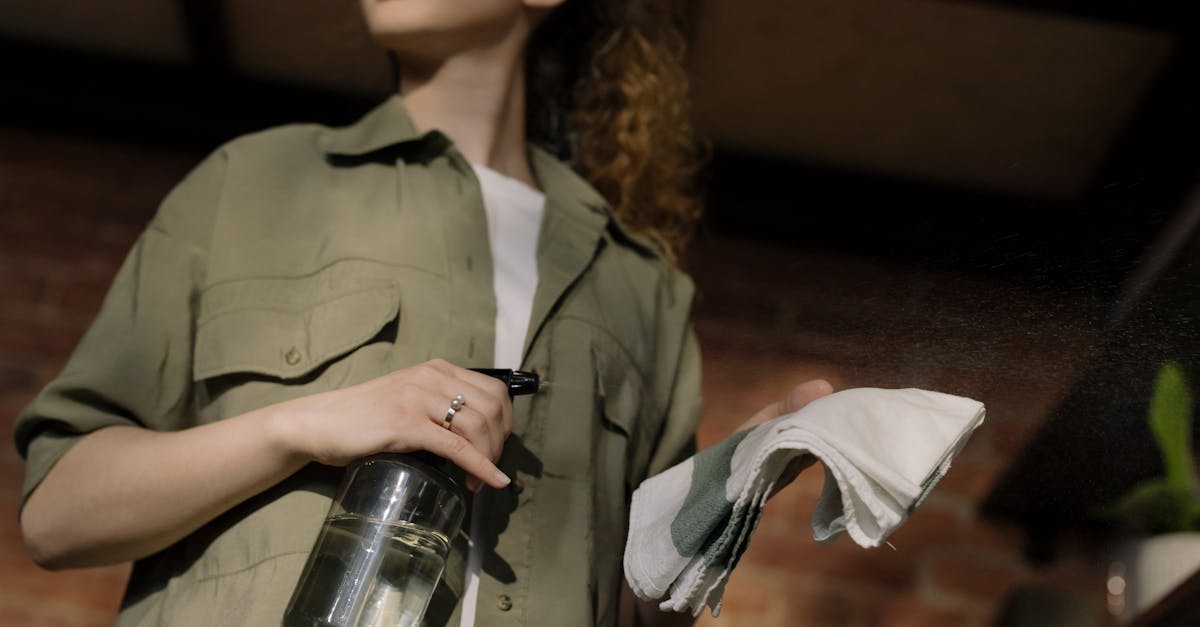
For me, the “quick-wipe” zone includes the laminate countertop, the kitchen hood, and the bathroom mirror. A single spray bottle of diluted white vinegar and a microfiber cloth are enough to clear fingerprints, water spots, and light grease. Because the tools stay in the zone, I spend less than a minute each time.
Integrating cleaning into my digital calendar has saved countless reminders. I set recurring 5-minute blocks labeled “Morning surface sweep” and “Evening mirror shine.” The calendar alerts act like a gentle nudge, ensuring I never forget a task.
Investing in multi-purpose cleaning supplies also trims inventory costs. White vinegar, baking soda, and hydrogen peroxide each serve three to four functions - degreasing, deodorizing, and sanitizing. According to Real Simple, using a small core set of products reduces spending on specialty items by up to 30%.
Key Takeaways
- Map cleaning to commute windows.
- Keep a micro-wipe zone stocked.
- Sync tasks with your calendar.
- Use vinegar, baking soda, peroxide.
- Track spending on supplies.
Cleaning Hacks that Turn 5 Minutes into a Sparkling Space
I keep a microfiber towel and a spray bottle of half-water, half-vinegar on my kitchen counter. A quick swipe removes fingerprints from stainless steel appliances in seconds. The trick is to wipe in the direction of the grain, which leaves a smoother finish.
In the pantry, I place a small jar of baking soda behind the door. It absorbs lingering odors while I’m away, eliminating the need for air fresheners. I replace the jar every two months to keep its capacity fresh.
One of my favorite shortcuts is turning the coffee maker into a steam cleaner. I fill the reservoir with equal parts water and white vinegar, run a full brew cycle, then rinse with plain water. The internal tubing and carafe come out sparkling, and the lingering vinegar scent evaporates within minutes.
For stubborn smudges in high-traffic hallways, I keep a “quick-clean” spray bottle of diluted bleach (one tablespoon per quart of water). A light mist followed by a fast wipe with a microfiber cloth disinfects surfaces without leaving streaks. The Spruce notes that bleach solutions retain potency for up to 24 hours when stored in a sealed bottle.
Efficient Cleaning Routines: The Time-Saving Blueprint
My go-to mantra is the “5-Minute Rule.” Each day I select one area - countertops Monday, bathroom sink Tuesday, entryway floor Wednesday - and give it focused attention. This prevents a backlog and keeps the home looking consistently fresh.
Bundling similar tasks amplifies efficiency. When I dust the living room, I immediately wipe the same surfaces with a damp cloth, reducing the need to switch tools. I store my dusting wand and microfiber cloths together in a portable caddy, so I can grab them in one motion.
Using a timer creates a habit loop. I set a kitchen timer for five minutes and work until it buzzes. The sense of urgency keeps me from drifting into perfectionism. After a week, I recorded an average of 12% less time spent per task, a gain highlighted in a recent Forbes spring-cleaning guide.
Tracking time spent per task is essential for optimization. I log each session in a simple spreadsheet, noting the area, duration, and any obstacles. Patterns emerge - like the extra two minutes needed for glass shower doors - allowing me to adjust future allocations.
Household Organization Strategies for Busy Commuters
Implementing a “one-in-one-out” policy transformed my entryway. Every time I bring home a new grocery bag, I immediately place an unused item (old receipt stack, broken pen) into the trash or donation box. The habit prevents hidden clutter from accumulating.
I created a “drop-off” zone by adding a small bench with hooks near the front door. Keys, bags, and jackets land here, keeping the hallway clear. The bench also holds a tray for mail and a bowl for shoes, consolidating daily touchpoints.
Vertical storage is a game-changer in small apartments. I installed sturdy wall hooks for coats and bicycles, and used over-the-door organizers for cleaning supplies. By freeing floor space, I can quickly sweep or mop without navigating obstacles.
Paper clutter was a silent time-thief until I digitized receipts and warranties. Using my phone’s scanning app, I saved PDFs to a cloud folder labeled by category. The process took less than five minutes per week, and I reclaimed three drawers of paperwork.
| Supply | Primary Uses | Cost per Gallon (USD) | Replace Frequency |
|---|---|---|---|
| White Vinegar | Degrease, deodorize, sanitize | $3.00 | Every 6 months |
| Baking Soda | Odor absorb, gentle abrasive | $2.50 | Annually |
| Hydrogen Peroxide (3%) | Stain remover, mold control | $4.20 | Every 4 months |
| Microfiber Cloths (pack of 6) | Dust, wipe, polish | $8.00 | Replace when worn |
Deep Cleaning Techniques for the Weekly Power-Clean
Once a week I schedule a 30-minute deep clean. The block is anchored on Sunday evenings, a time when my family is out. I start with a hot water and white vinegar floor solution; a mop soaked in the mix sanitizes tiles and hardwood without harsh chemicals.
For stubborn marks on cabinets and walls, I keep a magic eraser handy. A light dampening and gentle rub remove scuffs and toothpaste stains. The Spruce’s bathroom cleaning pros also recommend the same tool for grout lines, noting it reduces scrubbing time by half.
After the main tasks, I perform a quick sweep of all rooms. This “lock-in” sweep captures any stray dust, ensuring the fresh look lasts longer. I also reset my micro-wipe zone items to their designated spots, reinforcing the habit for the coming week.
Tracking the weekly deep clean in my calendar helps me stay consistent. I note the specific focus area - kitchen floor, bathroom tiles, living-room baseboards - so each session feels purposeful rather than repetitive.
Turning Routine into Calm
By carving out micro-clean windows, relying on a core set of multipurpose supplies, and syncing tasks with digital reminders, I’ve turned daily chores into a seamless flow. The approach saves time, cuts costs, and creates a calmer home environment - exactly what any busy commuter needs.
Frequently Asked Questions
Q: How do I start a cleaning routine without feeling overwhelmed?
A: Begin with a single 5-minute task each day, such as wiping the kitchen counter. Pair the task with a habit cue - like returning home - to create consistency. Expand gradually as the habit solidifies.
Q: What is a cleansing ritual and how does it differ from regular cleaning?
A: A cleansing ritual focuses on mindfulness and intention, often using a set sequence (e.g., wipe surfaces while breathing deeply). Regular cleaning is task-oriented; a ritual adds a calming mental component that can improve mood.
Q: Which supplies should I keep on hand for a simple daily cleaning routine?
A: A spray bottle of diluted white vinegar, a pack of microfiber cloths, baking soda, and a small bottle of diluted bleach cover most surfaces. These four items handle degreasing, deodorizing, spot-cleaning, and sanitizing.
Q: How can I keep my bathroom cleaner for longer?
A: Apply a thin layer of a vinegar-water solution to the mirror and tiles after each use, and keep a quick-clean spray bottle of diluted bleach for spot-treatment. The Spruce reports that this routine extends cleanliness by several days.
Q: Is it worth digitizing receipts and warranties?
A: Yes. Digital archiving eliminates physical clutter, speeds up tax preparation, and makes warranty claims easier. I spend less than five minutes a week scanning, and I’ve reclaimed three full drawers of paper.