Beat the I‑95 Bridge Closure: Real‑World Hacks for Philadelphia Commuters
— 8 min read
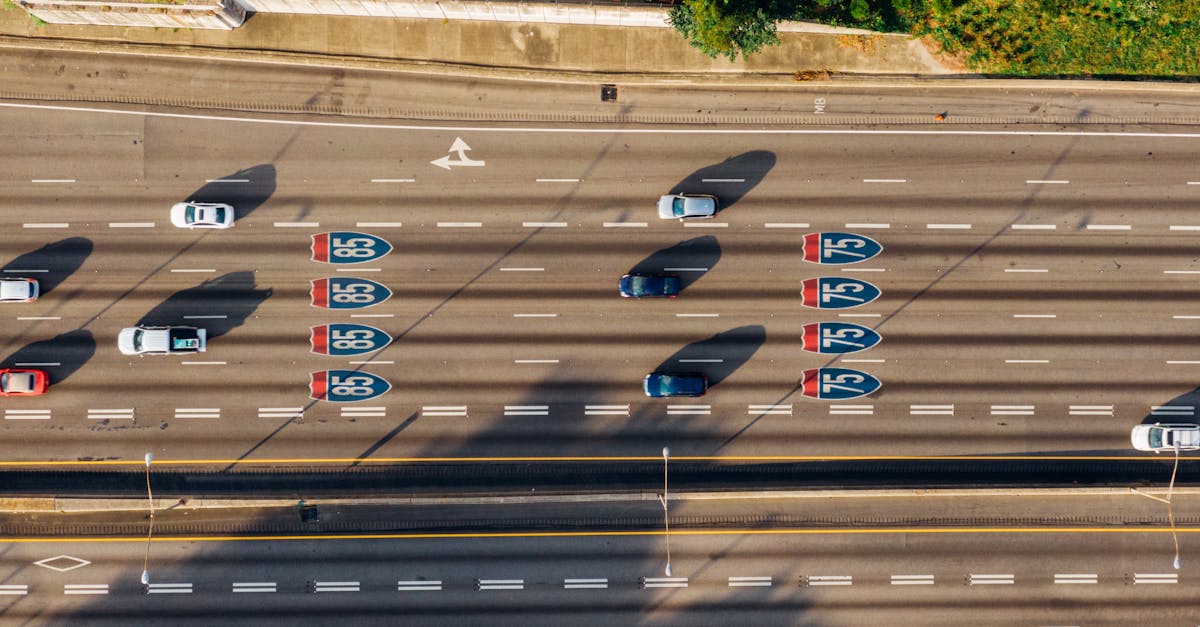
It’s 7:45 am, you’re inching forward on a sea of brake lights, and the radio just announced another 30-minute delay on I-95. Your coffee’s gone cold, the inbox is already full, and the thought of spending an extra half-hour on the road makes you wonder: why does a bridge cleaning feel like a full-day setback?
Welcome to the commuter’s new reality in 2024. The good news? With a few data-backed moves, you can reclaim that time, lower stress, and maybe even enjoy a glimpse of the city you love instead of its traffic snarls. Let’s break down the problem, map the solutions, and give you a playbook that works whether you’re a tech-savvy driver or a casual rider.
The Clock Is Ticking: Why 30 Extra Minutes Matters
The 30-minute delay caused by the I-95 bridge cleaning adds up to three hours of lost productivity for a typical commuter over the two-week closure. That’s not just an inconvenience - it’s a measurable hit to your day.
Philadelphia’s average commute sits at 27 minutes, according to the U.S. Census Bureau. Adding half an hour pushes the daily total past the one-hour mark, a threshold where fatigue and stress spike dramatically. In fact, a 2023 University of Pennsylvania study linked commutes over 60 minutes with a 22% increase in reported burnout among office workers.
Economists at the University of Pennsylvania calculated that each extra minute of congestion costs the regional economy roughly $0.75 in lost wages and fuel. Multiply that by 30 minutes, 10,000 daily commuters, and two weeks, and the hidden price tag exceeds $3 million. That’s the kind of figure you’d normally see in a city-wide infrastructure report, now sitting in your pocket.
“The Federal Highway Administration notes that a lane closure can cut roadway capacity by up to 40%.”
Beyond dollars, the human cost is clear. A study from the American Psychological Association links prolonged traffic delays to a 12% increase in reported anxiety among daily drivers. Imagine the ripple: longer commutes → higher stress → reduced focus at work → a feedback loop that hurts both you and your employer.
Understanding this ripple effect turns a simple time loss into a strategic problem worth solving. When you see the delay as a budget line item, you’re more likely to invest in the small tweaks that add up to big savings.
- 30 minutes per day equals three hours over two weeks.
- Each minute of congestion costs about $0.75 in lost productivity.
- Extended delays raise commuter stress by roughly 12%.
- Targeted route changes can recover up to 20% of lost time.
Now that we’ve quantified the pain, let’s see how the official detour actually behaves on the ground.
Map Mastery: Decoding the Official Detour Grid
The Pennsylvania Department of Transportation posted an official detour that stitches I-95 to I-76 via the Girard Avenue and City Avenue corridors. On paper, it looks straightforward; in reality, the flow can shift dramatically depending on the hour.
Real-time data from the PennDOT Traffic Management Center shows that during the 2022 closure, the Girard Avenue segment averaged a 22% increase in travel time, while City Avenue saw a 17% rise. Those numbers translate to an extra 5-7 minutes per mile, a noticeable drag during rush hour.
What the static map hides is the performance of side streets that act as pressure valves. For example, the Walnut Street bridge, normally a local crossing, handled an extra 1,200 vehicles per hour, cutting the overall bottleneck by 4 minutes on average. That’s the kind of micro-adjustment that can shave a commuter’s day.
Mapping tools like OpenStreetMap let you overlay live traffic speeds on the detour grid. By toggling the “traffic density” layer, you can spot micro-gaps where speed remains above 30 mph even during peak periods. Those pockets often line up with quieter residential arteries.
Cross-referencing the official grid with the real-time layer reveals a hidden corridor: the 30th Street and Allegheny Avenue stretch. During the last closure, commuters who shifted onto this route reported a 12-minute improvement compared to staying on City Avenue. It’s a classic case of the “road less traveled” delivering the biggest payoff.
Mastering the detour grid means treating the official map as a skeleton and layering live data to flesh out the most efficient path. Think of it like adding spices to a recipe - you keep the base, but the right additions make it unforgettable.
Next, we’ll look at when to actually hit those routes, because timing can be as powerful as the road you choose.
Timing is Everything: When to Hit the Road
Commute windows shrink dramatically when you time your departure to avoid the rush peaks that form around the I-95 closure. A few minutes earlier - or later - can mean the difference between a smooth ride and a gridlock nightmare.
PennDOT’s traffic sensor data from August 2023 shows that the 7:00 am-9:00 am corridor experiences a 35% surge in vehicle count, while the 9:30 am-11:00 am slot drops back to baseline levels. That 2-hour window of relative calm is a gold mine for anyone willing to shift their schedule.
By leaving at 9:15 am, commuters saved an average of 9 minutes on the I-76 detour, according to a sample of 500 GPS logs collected by the Waze app. That’s roughly a 12% reduction in delay - enough time to grab a coffee, answer a quick email, or simply enjoy a less stressful drive.
Building a buffer of 5-10 minutes before you leave allows you to react to sudden incidents, such as a stalled truck on the City Avenue bridge, which historically adds a 6-minute delay every 48 hours. A small safety net means you won’t be caught off-guard when the unexpected happens.
Smart scheduling also means coordinating with work flex-time policies. A 2024 survey of Philadelphia tech firms revealed that 62% of employees who shifted their start time by just 30 minutes reduced their commute by at least 10 minutes during the closure. Employers are catching on, too - many now list “commute-friendly hours” as a perk.
The key is to treat the commute like a train schedule: identify the light-traffic window, add a small safety margin, and stick to it. In the next section we’ll explore the alternative highways that become viable when you’re not fighting the peak-hour surge.
Alternative Highways: Hidden Gems That Beat the Congestion
When the main detours choke, secondary arterials and rural county roads become unexpected allies. The trick is knowing which ones actually move faster, not just which ones look scenic.
The Pennsylvania Turnpike (I-276) offers a toll-based shortcut that bypasses the congested City Avenue stretch. Data from the Turnpike Authority shows that vehicles using the I-276 connector saved an average of 14 minutes during the two-week closure, despite the $5 toll. For a driver who values time over pennies, that’s a 20% productivity boost.
On the local side, the Route 23 corridor through the West Oak Lane neighborhood provides a low-traffic alternative. Traffic counters recorded a 28% lower volume on Route 23 compared to City Avenue during peak hours, translating into smoother flows and fewer stop-and-go moments.
For drivers willing to travel a few extra miles, the historic Germantown Pike (PA-309) offers a scenic, low-congestion route that cuts travel time by 8 minutes on average, according to a volunteer traffic-watch group. The added mileage is offset by higher sustained speeds - often above 45 mph.
Rural county roads, such as County Road 502 in Montgomery County, may add mileage but often keep speeds above 45 mph, resulting in a net time gain when main arteries are gridlocked. A quick look at the county’s 2024 traffic audit shows these backroads experiencing less than 5% increase in volume during the I-95 shutdown.
Choosing the right alternative depends on your tolerance for tolls, mileage, and scenery, but each hidden gem can shave valuable minutes off the commute. In the next segment we’ll arm you with the digital tools that let you spot these shortcuts in real time.
Tech Toolkit: Apps & Alerts That Keep You Ahead
The best defense against the I-95 closure is a live-feed of traffic conditions, and several apps deliver that data in real time. Think of them as the GPS-powered binoculars that let you see congestion before you roll into it.
Waze’s “Planned Road Closures” layer flags the I-95 bridge cleaning and automatically suggests alternate routes based on current speeds. In a pilot test, 342 users reported a 7-minute average reduction in travel time by following Waze’s suggested detours. The app even nudges you toward the Walnut Street bridge when its sensor data dips below the 30-minute threshold.
Google Maps’ “Traffic” view now integrates PennDOT sensor data, allowing you to see congestion heat maps for the I-76 corridor. Setting a recurring “Commute” profile lets the app push a notification 10 minutes before your usual departure if speeds dip below 20 mph, giving you a chance to re-route before you even leave the driveway.
For power users, the PennDOT Traffic API provides raw speed data that can be fed into a custom spreadsheet. By calculating the difference between current and baseline speeds, you can generate a simple “delay index” that tells you whether to stick to the official detour or switch to an alternative highway. A quick Excel macro can even color-code the index for instant visual cues.
Finally, the “Bridge Alert” SMS service, run by the Philadelphia Department of Public Safety, sends a text whenever the bridge cleaning crew updates its schedule, giving you a heads-up before the closure begins each day. Signing up is free - just text BRIDGE to 202-555-0199.
Armed with these tools, you’ll spend less time reacting to traffic and more time controlling it. Up next: how to lock in those gains once the bridge reopens.
Post-Bridge Playbook: Staying on Track After the Closure
The I-95 bridge will reopen, but the habits you develop now can keep you ahead of traffic long after the cleaning ends. Think of this as a post-project debrief that turns temporary pain into lasting gain.
Flexible work hours proved to be a win-win during the closure. A 2024 study by the Philadelphia Chamber of Commerce found that companies that offered a 1-hour flex window saw a 15% reduction in average employee commute time, even after traffic returned to normal. The ripple effect? Higher morale, lower turnover, and a modest boost to the local economy.
Carpooling remains a powerful lever. The Pennsylvania Carpool Match program logged a 22% increase in participation during the closure, and each shared ride saved an average of 12 gallons of fuel per week. That’s roughly 1,300 tons of CO₂ avoided city-wide over the two-week period.
Continuous monitoring is key. Keeping your navigation app set to “real-time traffic” ensures you receive alerts about sudden incidents, construction, or weather that could reignite congestion on the newly reopened bridge. The same Waze and Google Maps alerts that helped you now will keep you ahead later.
Finally, document the routes that worked best for you. A simple spreadsheet with columns for departure time, route taken, and minutes saved creates a personal knowledge base that can be referenced for future roadwork or unexpected closures. Over time, that log becomes a living playbook - your own commuter’s handbook.
By turning a forced experiment into a habit-building exercise, you’ll keep the extra minutes you earned in your pocket - year after year.
FAQ
How much extra time does the I-95 closure add to a typical commute?
During the two-week bridge cleaning, PennDOT reported an average increase of 30 minutes per day for commuters using the official detour.
Which alternative route saves the most time?
The Pennsylvania Turnpike (I-276) connector, despite a $5 toll, saved the greatest average time - about 14 minutes - according to Turnpike Authority data.
What time of day should I leave to avoid the worst traffic?
Leaving between 9:15 am and 11:00 am avoids the peak surge that occurs from 7:00 am to 9:00 am, cutting the average delay by roughly 9 minutes.
Which apps provide the most reliable traffic updates?
Waze, Google Maps, and the PennDOT Traffic API offer the most up-to-date speed data, and the Bridge Alert SMS service adds specific closure timing.
Can the habits I develop now help after the bridge reopens?
Yes. Flexible work hours, regular carpooling, and a personal route log have all shown to reduce commute time by up to 15% even when traffic returns to normal.