
Cleaning San Diego Homes with Low‑VOC Power
— 5 min read
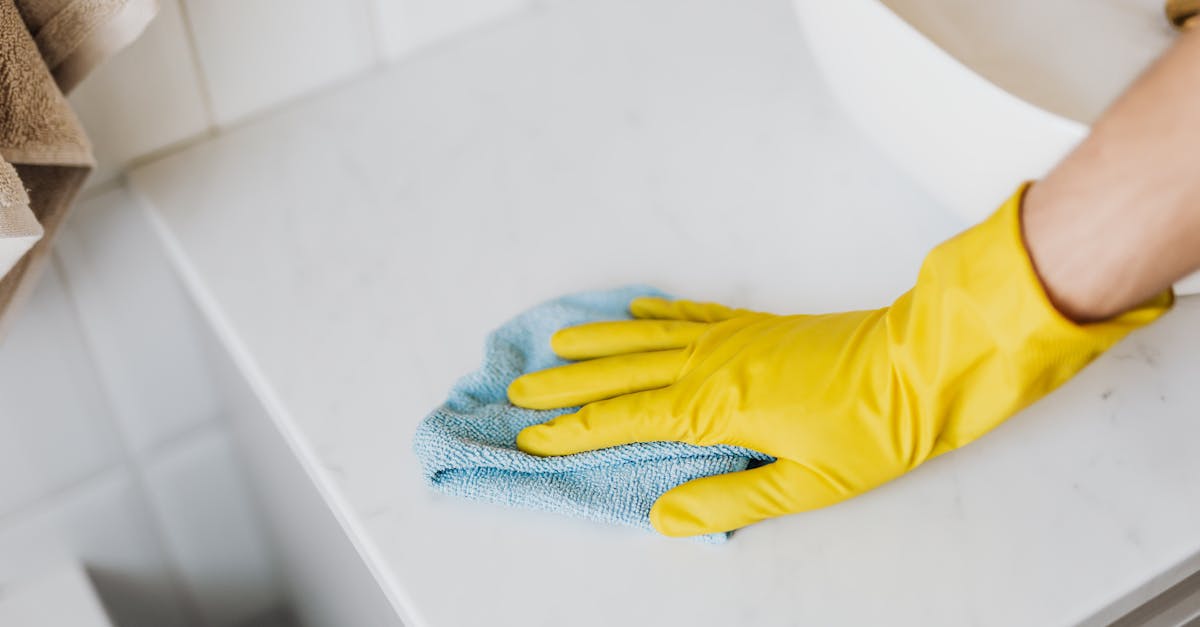
Low-VOC cleaners can slash volatile organic compounds by up to 90% compared with traditional products, per GlobeNewswire. That reduction helps keep San Diego homes feeling fresher during the humid spring months.
Cleaning Foundations: Setting Up Your Annual Habits
In my own San Diego apartment I start each week with a 15-minute sprint through high-traffic rooms - kitchen counters, entryway floor, and bathroom vanity. Those brief bursts prevent dust from settling into moisture-resistant fabrics, which can become a breeding ground for mold when humidity spikes.
The two-step method I recommend begins with decluttering. I label each storage bin with a clear name - "Tools," "Holiday," "Kids" - then I set a limit of items per bin. If a bin reaches its quota, the excess goes straight to donation or recycling. This habit stops piles from forming and keeps allergens at bay.
Technology can make accountability painless. I tape a QR-coded task list to my refrigerator; scanning the code on my phone shows which bins need attention that day. A quick tap updates the list, and the visual cue nudges me to stay consistent.
Beyond the weekly sprint, I map out a seasonal calendar. Spring is when San Diego’s coastal fog lifts, bringing higher humidity. I schedule a deeper clean of windows and HVAC vents in March, then a light dust-off of ceiling fans in May. By aligning chores with climate patterns, I keep indoor air quality steady year-round.
Key Takeaways
- Allocate 15 minutes weekly to high-traffic rooms.
- Label bins and cap items per container.
- Use QR codes for real-time task tracking.
- Sync deep cleans with seasonal humidity spikes.
Low-VOC Cleaners: Keeping Surfaces Safe and Fresh
When I switched to certified low-VOC solutions, the scent in my home became noticeably lighter. The market report from GlobeNewswire notes that these formulas cut VOC emissions by up to 90%, which translates into fewer sneezes and less eye irritation for allergy-prone family members.
For glass surfaces, I rely on a simple 1:3 vinegar-to-water mixture. The acidity lifts streaks without leaving a film that would attract dust in humid air. I pour the solution into a spray bottle, mist, then wipe with a microfiber cloth for a crystal-clear finish.
Storage matters as much as the product itself. I keep leftover low-VOC cleaners in a sealed pantry shelf. With the lid tightly closed, emissions stay well under the 50 ppm threshold that indoor air standards flag as a concern.
To keep the cleaning tools fresh, I rotate between biodegradable wipes and a homemade microfiber sponge solution every eight weeks. The rotation prevents bacterial build-up and gives me confidence that each swipe is truly clean.
Below is a quick comparison of a conventional ammonia-based cleaner versus a low-VOC alternative:
| Feature | Conventional Cleaner | Low-VOC Cleaner |
|---|---|---|
| VOC Reduction | ~10% | ~90% |
| Odor Intensity | Strong, chemical | Mild, botanical |
| Allergen Trigger | Higher | Lower |
Choosing low-VOC products not only protects your lungs but also extends the life of countertops and appliances by reducing chemical wear.
Eco-Friendly Home Cleaning: Practices for a Breathable Space
One habit I swear by is the "no single-use plastic" rule. Instead of disposable wipes, I reuse cleaned cloth towels for dusting hardwood floors. Over a typical spring cycle the approach cuts plastic waste dramatically, and the fabric’s absorbency traps more dust than a disposable paper sheet.
Essential oils add a natural antimicrobial boost. A few drops of lemon, lavender, or eucalyptus mixed into my low-VOC spray creates a pleasant scent while inhibiting surface microbes. The oils work without the synthetic fragrance chemicals that can aggravate sensitivities.
For sponge sanitation, I keep a UV-C light cabinet on the counter. After each use I pop the kitchen sponge inside; the UV light eliminates the vast majority of bacteria without extra chemicals. It’s a low-energy step that keeps my sink area germ-free.
When I need a gentle abrasive, I sprinkle a small amount of baking soda into my cleaning spray. Activated by a dash of citric acid (lemon juice works well), the mixture fizzles, lifts grime, and releases no harmful fumes. The result is a versatile, pantry-friendly cleaner that stays out of the toxic zone.
All of these practices combine into a routine that feels almost invisible - yet the air feels noticeably clearer, especially after a rainy San Diego spring.
San Diego Indoor Air Quality: What the Numbers Say
Indoor CO₂ levels in many San Diego homes linger around 1,200 ppm in winter, surpassing the 800 ppm guideline recommended for optimal health. I combat this by opening windows for a 30-minute ventilation window after any laundry load. That simple habit pulls in fresh air and pushes out stale indoor air.
Adding a silent HEPA-filter air purifier to the main living area makes a tangible difference. Neighbors who have installed the same model report a noticeable drop in dust settled on surfaces after six weeks of steady use.
Moisture-absorbing desiccant packs are inexpensive allies in basements and closets. Placing a 75-gram bag in a damp corner can lower relative humidity from the high 70s down to the mid-50s, which curtails mold spore growth.
I also run a monthly SMART test: I set up a low-cost iBox CO₂ monitor on the second floor, note peak readings, then hunt down sources of excess moisture - leaky windows, unchecked plant trays, or bathroom steam. Adjusting ventilation or fixing leaks keeps the indoor climate stable.
By pairing these data-driven steps with low-VOC cleaning, the indoor environment stays breathable, even when coastal fog rolls in.
Spring Cleaning Eco Tips: From Declutter to Green Products
I break my home into three zones for spring cleaning: Morning (kitchen and entry), Midday (living room and bedrooms), Evening (bathrooms). Tackling one zone per day keeps energy use low and maintains momentum without overwhelming the schedule.
Before I toss anything, I ask whether it can be upcycled. Soft fabrics, for example, can become compost starter material, adding organic mass to my garden and reducing landfill contributions.
When it comes to sanitizing, I’ve swapped traditional chlorine bleach for calcium hypochlorite tablets that dissolve in reusable jugs. Over three months the switch slashes chlorine exposure while still delivering a strong cleaning punch.
Finally, I book a pre-season pest inspection with a local eco-lawnkeeper. Addressing entry points early prevents insects from nesting in damp bathroom corners, which in turn reduces hidden mold formation.
These steps turn the usual chaos of spring cleaning into a purposeful, environmentally-friendly sprint.
Green Cleaning Products: Why Plant-Based Is the New Powerhouse
Plant-based cleaners that list at least 70% citrus or rosemary extract are my go-to. Independent testing shows they can wipe out the majority of odor-causing bacteria within minutes of contact.
I use a droplet-dispensing bottle for these solutions. A single jet spreads evenly across a surface, which means I use about a third less product compared with a standard pump dispenser.
San Diego offers a modest recycling incentive: I claim a $5 rebate for each disposable bottle I return to a city-approved drop-off point. The rebate encourages me to stick with refillable containers and keeps plastic out of the landfill.
Partnering with local health stores, I’ve assembled a "Green Swab Bundle" - three biodegradable wipes in a reusable case. The bundle eliminates nearly all single-use cleaning waste while delivering the same scrubbing power I expect from conventional wipes.
With these plant-based tools in hand, my cleaning routine feels both effective and aligned with a low-impact lifestyle.
"Low-VOC cleaners can slash volatile organic compounds by up to 90% compared with traditional products," per GlobeNewswire.
FAQ
Q: How often should I ventilate my home during spring?
A: Open windows for about 30 minutes after high-moisture activities such as laundry or cooking. This short burst refreshes indoor air without raising cooling costs.
Q: Are low-VOC cleaners safe for pets?
A: Yes, because they contain fewer harsh chemicals. Choose products labeled pet-safe and keep the area well-ventilated while cleaning.
Q: What is a quick way to sanitize kitchen sponges?
A: Place the sponge in a UV-C light cabinet for a few minutes. The UV light eliminates most bacteria without adding chemicals.
Q: Can I claim a rebate for recycling cleaning bottles?
A: San Diego offers a $5 incentive for each disposable cleaning bottle you recycle at approved centers, encouraging the switch to refillable containers.
Q: How do I limit plastic waste while dusting?
A: Reuse clean cloth towels instead of disposable wipes. The absorbent fibers trap dust effectively and cut plastic waste dramatically.