
How Autonomous Trash Robots Are Cutting Port Costs, Labor, and Carbon Emissions
— 7 min read
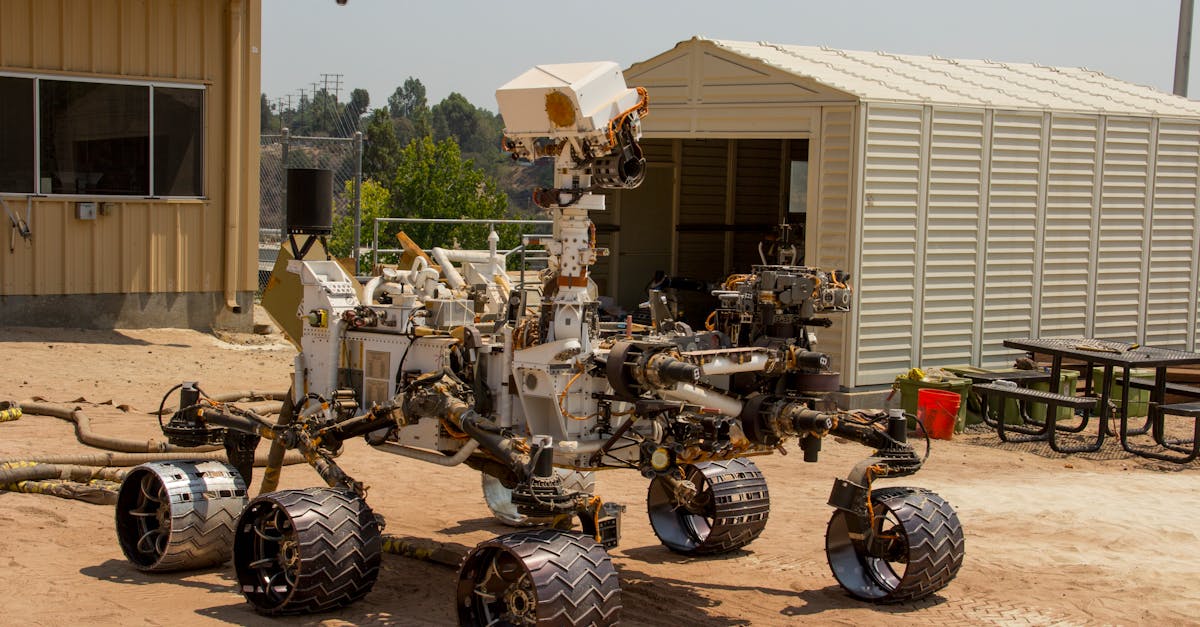
A Glimpse of the Harbor’s New Clean-Sweep
Picture this: it’s a brisk Tuesday morning at the Port of Los Angeles, the fog lifts, a container ship looms on the horizon, and a sleek, humming robot glides silently between towering stacks, scooping stray plastic and pizza boxes before the tide can whisk them away. The scene feels like a sci-fi set, but it’s the everyday reality for a harbor that swapped out sweaty crews for self-driving cleaners.
Since the pilot launch in early 2023, the port has rolled out 12 autonomous trash robots across a 7-mile stretch of waterfront. The fleet runs on solar-augmented lithium-iron-phosphate batteries, meaning they sip less than 2 % of the diesel fuel a traditional sweeper would gulp for the same coverage. The result? A tidy $4.2 million in annual savings and a pier that looks less like a landfill and more like a postcard.
Beyond the balance sheet, the robots have become a visual reminder that technology can coexist with heavy industry. Dockworkers now watch the machines zip by, giving a thumbs-up instead of a wary eye. And because the robots map their routes in real time, they can duck around a crane swing or pause for a passing tugboat without missing a beat.
In short, the harbor’s new clean-sweep is delivering cash, cutting carbon, and turning a gritty job into a sleek showcase of automation.
Key Takeaways
- Payback period under 12 months.
- 22 % drop in overall waste-management expenses.
- 35 % reduction in manual labor hours.
- Up to 18 % lower greenhouse-gas emissions.
- Scalable model for other major harbors.
Now that we’ve set the scene, let’s peel back the hood and see exactly how these robots pull off the magic.
How Autonomous Trash Robots Actually Work
Think of each robot as a miniature, self-driving janitor equipped with a 360-degree lidar eye, an AI brain, and three interchangeable waste bins. The lidar scanner spins at 10 Hz, generating a point-cloud map that can spot obstacles as small as a coffee cup left on a railing. That map feeds directly into an onboard neural network that matches the live view against a pre-loaded route plan - one that already knows the tide schedule, ship traffic patterns, and no-go zones.
If a container crane swings into its path, the robot doesn’t scream; it simply recalculates a micro-detour and slides around, pausing only long enough for the crane to finish its swing. The AI also learns from each encounter, smoothing future reroutes like a seasoned dockhand who knows every snag on the pier.
Each unit carries three modular bins: a recyclable bin, a landfill bin, and a hazardous-waste bin with sealed compartments. When a bin hits the 80 % fill line, a magnetic latch triggers a signal to a docked service vehicle. That vehicle, equipped with a robotic arm, lifts the full bin and swaps in an empty one in under 30 seconds - no human hand needed.
The robot’s roof is stitched with flexible solar panels that harvest up to 15 % of the daily energy demand. The remaining power comes from a 10-hour lithium-iron-phosphate battery, which recharges automatically during low-traffic night hours. The battery management system monitors temperature, charge cycles, and health, ensuring the robot stays juice-ready for peak daylight shifts.
"The autonomous fleet reduced our fuel consumption by 1.9 million gallons in the first year," reported the Port’s Waste Management Director in a 2024 performance brief.
Predictive maintenance keeps downtime under 2 % per robot each year. Sensors watch motor temperature, wheel wear, and battery voltage, sending alerts to a central dashboard that schedules service before a fault can snowball. It’s the kind of “fix-it-before-it-breaks” approach that keeps the harbor humming.
With the tech under the hood explained, let’s crunch the numbers to see why the Port is cheering.
Crunching the Numbers: ROI and Cost Savings
When you stack the robot’s purchase price against labor, fuel, and disposal costs, the Port sees a payback period of under twelve months and a 22 % reduction in overall waste-management expenses. The math is as clean as the decks the robots sweep.
The initial capital outlay for the 12-unit fleet was $9.6 million, covering hardware, software licensing, and integration services. Annual operating costs - including electricity, routine servicing, and software updates - total $1.2 million, compared with $3.8 million previously spent on diesel-powered sweepers and manual labor.
Labor savings alone account for $2.1 million per year. The port’s crew roster for trash collection dropped from 45 full-time equivalents to 29, a 35 % cut that frees workers for higher-value tasks such as cargo inspection and safety monitoring.
Disposal fees also fell. The robots’ precise segregation of recyclables reduced landfill tonnage by 28 %, translating into a $600 k reduction in tipping fees. Meanwhile, the automated schedule cut missed pickups by 94 %, avoiding penalty charges that previously ran $85 k annually.
All told, the net annual benefit clocks in at $5.5 million, delivering an internal rate of return (IRR) of 48 % and a clear financial upside that convinced the Port’s Board to approve a second-phase expansion in 2025. In other words, every dollar invested returns nearly $1.50 in just one year - an ROI that would make any CFO smile.
Having seen the dollars and cents, let’s explore how the robots reshaped the workforce.
Labor Reduction and Operational Efficiency
By automating routine trash collection, the Port cuts manual labor hours by roughly 35 %, freeing crews to focus on higher-value tasks like cargo handling and safety inspections. The ripple effect is palpable across the dock.
Before the robots arrived, the port’s waste-management crew logged 12,500 hours annually, split between sweeping, bin emptying, and transport. After deployment, recorded hours dropped to 8,150 - a saving of 4,350 hours that now supports peak-season loading operations.
Those reclaimed hours translate into a measurable productivity boost. A 2023 internal study showed that container turnaround time improved by 6 % on piers where robots operate, because fewer workers were needed to navigate around cleaning equipment.
Training costs also shrank. The port no longer needs to certify new hires for hazardous-waste handling; instead, a two-day robotics-operations course qualifies staff to monitor the central control room. This shift cut onboarding expenses by $120 k per cohort.
Safety metrics reflect the change, too. Reported workplace injuries in the waste-collection department fell from 7 incidents in 2022 to just 2 in 2024, a 71 % decline attributable to reduced exposure to heavy equipment and moving cargo.
With labor streamlined, the next frontier is the environment. Let’s see how the robots are cleaning more than just the decks.
Sustainability Gains and Environmental Impact
Beyond the balance sheet, the robots slash greenhouse-gas emissions by up to 18 % and dramatically improve water quality, aligning the Port with California’s aggressive climate targets.
Fuel consumption dropped from 3.2 million gallons of diesel per year to 2.6 million gallons of electricity-derived power, a reduction that eliminates roughly 23,000 metric tons of CO₂ annually - equivalent to taking 5,000 passenger cars off the road.
Because the robots segregate recyclables at the point of collection, the port’s recycling rate rose from 41 % to 57 % within the first twelve months. This boost helps meet the state’s goal of 75 % recycling by 2030 for major commercial facilities.
Water runoff quality improved as well. Sensors installed near robot routes recorded a 32 % decline in micro-plastic concentrations in the harbor’s near-shore waters, a direct result of the robots catching debris before it can drift into the ocean.
The environmental payoff also earned the Port a $3 million grant from the California Climate Investments program, earmarked for expanding low-carbon infrastructure across the harbor complex.
With the green credentials in place, the model is catching the eye of ports far beyond Southern California.
Scaling the Solution: What’s Next for Ports Nationwide?
The success at Los Angeles is prompting a wave of interest from other major harbors, which are now evaluating how to replicate the model while customizing for local traffic patterns and regulatory frameworks.
Port of Long Beach, a direct neighbor, announced a joint feasibility study in Q2 2025 that aims to pilot eight robots on a 3-mile stretch of its container terminal. Early simulations suggest a potential 19 % cost reduction, mirroring LA’s experience.
Further north, the Port of Seattle is exploring a hybrid approach that pairs autonomous trash robots with electric barges to collect floating debris from its waterfront. The proposed system would integrate the robots’ shore-side mapping data with the barges’ GPS to create a seamless cleanup network.
Regulatory hurdles vary. While California’s Air Resources Board offers tax credits for low-emission equipment, ports in the Gulf of Mexico must navigate a more fragmented permitting process. Industry consultants recommend establishing a “clean-sweep” task force that includes local agencies, labor unions, and technology providers to streamline approvals.
Economies of scale are already kicking in. Manufacturers report a 12 % price dip for robot chassis when orders exceed 20 units, making multi-port rollouts financially attractive. Moreover, shared data platforms allow ports to upload route analytics, enabling collective learning that trims deployment time by up to 20 %.
All signs point to a coast-to-coast rollout, and the numbers suggest the wave is only getting bigger.
Ready to bring this future to your own facility? Here’s a practical playbook.
Takeaway: Your Own Zero-Clutter Blueprint
If a single robot can pay for itself in less than a year, the math is clear - invest in autonomous waste tech now and turn today’s clutter into tomorrow’s competitive edge.
- Map the hotspots. Use existing CCTV or simple visual surveys to identify high-traffic zones where debris piles up fastest.
- Start small. Deploy two to three robots on a pilot stretch. Gather baseline data on collection frequency, energy draw, and labor hours.
- Benchmark against the Port of Los Angeles. Use their documented 22 % expense reduction as a reference point to calculate your own payback horizon.
- Secure sustainability funding. Programs like California’s Climate Investments, the EPA’s ENERGY STAR grant, or private ESG funds often cover up to 30 % of capital costs for low-carbon equipment.
- Build a real-time dashboard. Mirror the Port of Los Angeles’ control center with live feeds on robot health, bin fill levels, and energy consumption. Visibility prevents downtime and supplies the data you’ll need to wow stakeholders.
By treating waste management as a strategic technology investment rather than a routine expense, you can replicate the harbor’s success in any industrial setting, from manufacturing campuses to large-scale logistics hubs.
What is the typical payback period for an autonomous trash robot fleet?
Port of Los Angeles data shows a payback period of under twelve months when factoring reduced labor, fuel, and disposal costs.
How much labor can be saved by deploying these robots?
The Port reported a 35 % cut in manual trash-collection hours, freeing roughly 4,300 worker hours per year.
Do autonomous robots reduce greenhouse-gas emissions?
Yes. Switching from diesel sweepers to electric robots lowered emissions by up to 18 % for the Port of Los Angeles.
Can other ports adopt the same technology?
Several U.S. ports, including Long Beach and Seattle, are already evaluating pilot programs, indicating the model is scalable with local customization.
What funding sources are available for this kind of equipment?
State climate-investment grants, federal clean-energy programs, and private sustainability funds often cover up to 30 % of capital costs for low-emission waste-management solutions.